


Saturday, 12 July, 2025
What you need to know
Unsafe abortion is not merely a legal issue; it’s tied to gender-based violence, lack of access to healthcare, and gendered power imbalances. A holistic feminist model requires addressing these systemic factors.
Unsafe abortion is not merely a legal issue; it’s tied to gender-based violence, lack of access to healthcare, and gendered power imbalances. A holistic feminist model requires addressing these systemic factors.
Unsafe abortion is not merely a legal issue; it’s tied to gender-based violence, lack of access to healthcare, and gendered power imbalances. A holistic feminist model requires addressing these systemic factors.
Ignoring nuance and real harm. By lumping all abortion providers as “merchants”, the editorial erases the difference between profiteers and compassionate health workers operating in a restrictive, ambiguous legal environment. This ambiguity fuels unsafe abortions, estimated to cause 8-15% of all maternal deaths. Criminalisation deepens inequity. When services are criminalised, only those with means can access clandestine care from health workers. Poor and rural women are left to resort to unsafe methods, often self-induced or via untrained healers, leading to serious complications.
Stigma undermines health. The editorial’s tone amplifies stigma. Even post-abortion care, allowed under law, is compromised by moral condemnation. Health workers face ostracism or legal threat when providing such care. So how do we practise feminist reimagining together? Prioritise access to safe, legal care. Femme Forte advocates for clarity in law. Official guidelines (e.g. expanded grounds, including rape, incest, HIV) exist but are hidden or withdrawn, leaving providers uncertain. We urge reinstating and publicising these guidelines. Support reproductive autonomy. Ugandans largely support women’s autonomy over reproductive choices, even while opposing abortion in certain situations.
Femme Forte sees this as a bridge: let us expand contraceptive access, comprehensive sex education, and destigmatise open conversation.
Tackle structural roots. Unsafe abortion is not merely a legal issue; it’s tied to gender-based violence, lack of access to healthcare, and gendered power imbalances. A holistic feminist model requires addressing these systemic factors.
Build movement coalitions. Femme Forte believes in collective action, creating safe referral networks, peer support, legal advice, and public education.
The editorial’s call to “crack the whip” offers a simplistic solution: blunt enforcement. We are offering a far more nuanced, justice-centred alternative, one that prioritises women’s lives, dignity and autonomy over moral panic.
Our feminist perspective isn’t anti-life, it affirms life, through safe care, legal clarity, structural support, and movement-based solidarity. In our vision, no one dies for lack of choice. Bodies are not criminal. Women are not vessels; they are subjects of their own rights.
Femme Forte urges the media, policymakers and civil society to shift from punitive rhetoric to pro-woman frameworks. Let’s stop fearing abortion merchants and start empowering women with rights, resources and respect.
Femme Forte demands transformation, of laws, systems and society towards a Uganda where reproductive justice isn’t distant hope but lived reality.
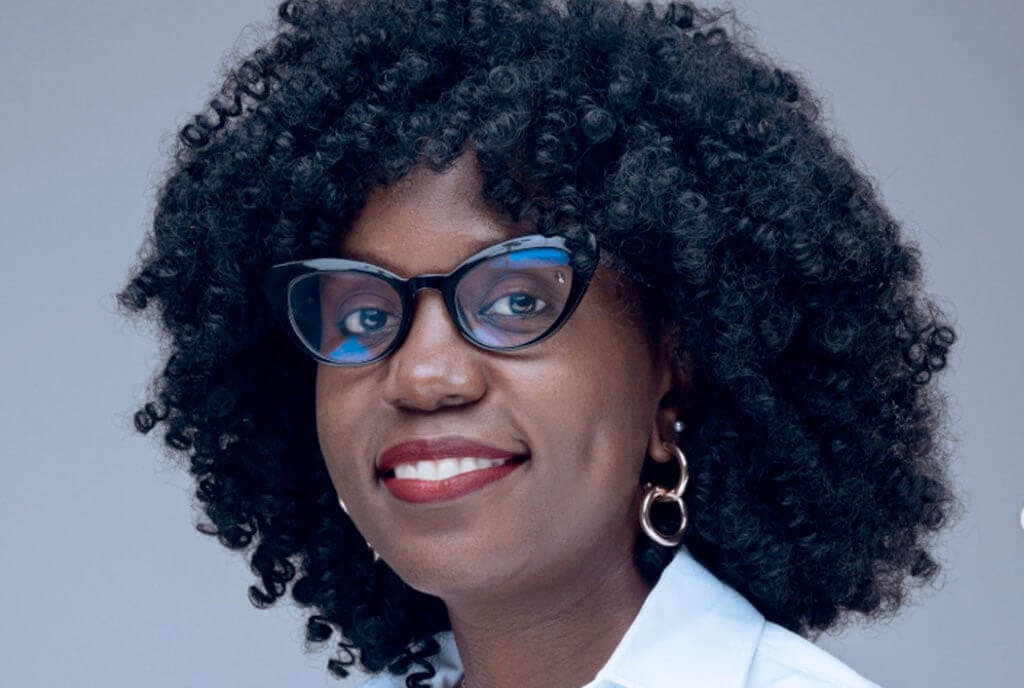
SOURCE: Monitor, by Penelope Sanyu, Chief Steward, Femme Forte. 12 July 2025.