


There are health conversations that happen loudly in public spaces. Then some remain painfully silent, carried quietly by women as they continue with life, work, and responsibility.
One of those silent struggles is fibroids.
Fibroids are not rare. In fact, they are one of the most common reproductive health conditions affecting women globally. According to the World Health Organization (WHO), an estimated 20–40% of women of reproductive age globally are affected by uterine fibroids, with significantly higher prevalence reported among African women, some studies suggesting rates as high as 50–70% in sub-Saharan Africa.
Yet despite how common they are, the conversation around fibroids remains surrounded by stigma, misinformation, delayed diagnosis, and limited access to quality care.
In Uganda, many young women and girls are silently suffering from chronic pain, heavy bleeding, infertility fears, and emotional distress, often without clear answers or timely treatment. The cost of care is high, specialists are limited, and many only discover the severity of their condition when it has already severely affected their health and livelihoods.
At Reach A Hand Uganda, we are seeing this reality more closely through the young women we work with and even within our own team.
Allow me share this with permission: Last year, one of our staff members underwent fibroid surgery. What should have been a straightforward medical procedure became an emotionally, physically, and financially exhausting journey. There was pain, recovery, fear, and the silent weight of trying to stay strong while navigating something truly personal.
But what stayed with me most was this: She is not an exception. She is one of many.
There are countless young women and girls across Uganda walking similar journeys, silently managing pain while trying to study, work, show up for family, and maintain life as “normal”. And this is why we must talk about it more openly. Because reproductive health is not just about access to services, it is about information, dignity, timely diagnosis, and compassionate care. It is about asking:
Who is listening when a young woman says she is in pain?
Who is explaining what is happening to her body?
Who is helping her afford care before it becomes critical?
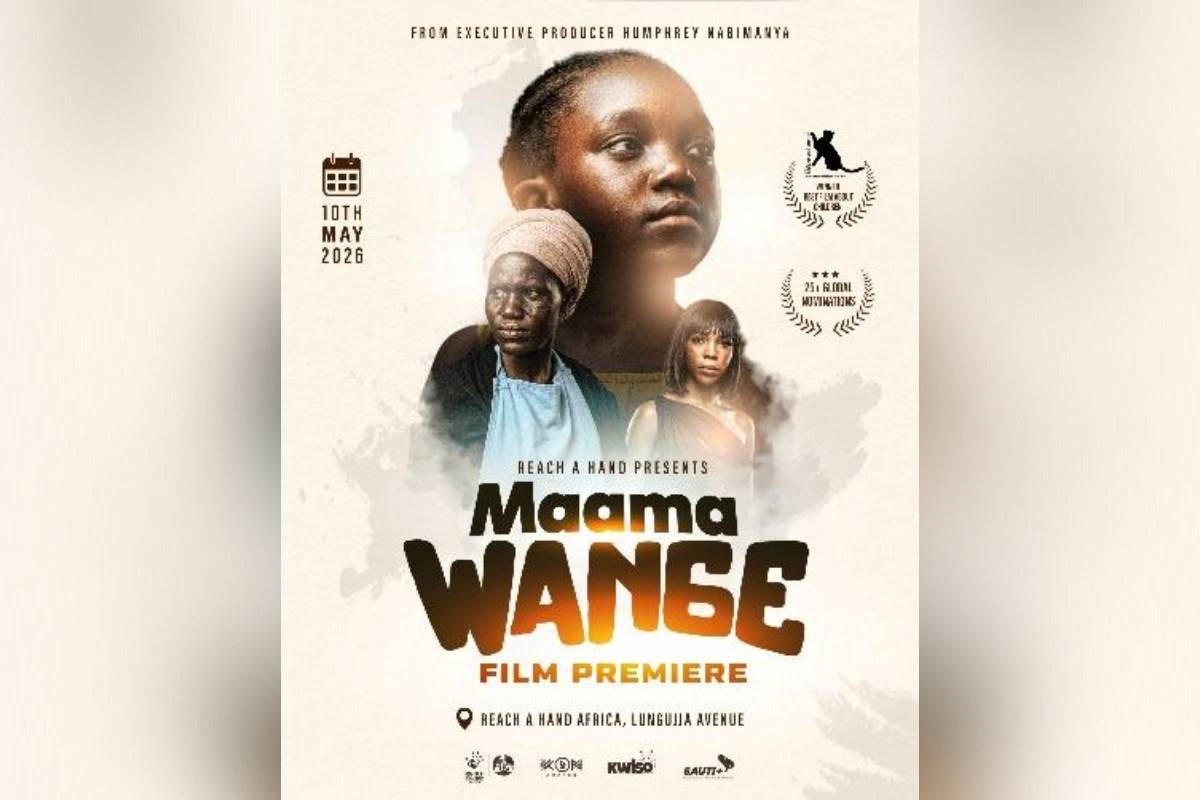
This year, we are taking this conversation into a deeper, more human space through the Maama Wange (My Mother) film premiere, happening this Mother’s Day, 10th May 2026. Mother’s Day is often filled with celebration flowers, messages, and gratitude. But behind many mothers and young women are stories that are rarely told: stories of pain, resilience, survival, and quiet strength.
Maama Wange is one of those stories. ( Check out the trailer here )
Born under the iKON Young Filmmakers Fellowship Program, it began as a short film that went on to receive international recognition, winning Best Film at the Black Cat International Film Festival and screening across Nigeria, France, South Africa, and India. It has since evolved into a feature film because the story demanded more space, more truth, more depth, more humanity.
At the heart of the film is Atim, a young mother navigating loss, uncertainty, and survival. Her story reflects what many young women experience not only in motherhood but also in their broader journeys of health, identity, and resilience.
And just like Atim’s story, the reality of fibroids and reproductive health challenges is often hidden in plain sight.
SOURCE: Reach a Hand Uganda, E-mail: 22 April 2026.