


by Brooke W Bullington, Katherine Tumlinson, Leigh Senderowicz, Joanna Maselko, Kavita Shah Arora, Jessie K Edwards, Audrey Pettifor
Abstract
Family planning programs in the Global South promote long-acting reversible contraception (LARC), but research suggests that women face barriers to LARC discontinuation, inhibiting their reproductive autonomy. Scholars have called for improved data visibility around LARC removal access. We use data from the Postpartum Intrauterine Device (PPIUD) Study, a randomized trial of a PPIUD intervention conducted in Nepal, Sri Lanka, and Tanzania from 2015 to 2018. Among women who adopted PPIUDs, we describe PPIUD status (in-use, expelled, deliberately removed) at three follow-up points. We report the proportion of participants who sought PPIUD removal and, among those, whether they faced barriers to removal. About three-quarters of 5370 participants had their PPIUD in use 18 months following insertion; one-fifth had their PPIUD deliberately removed, and 6 percent had their PPIUD expelled. Of the 22 percent of participants who sought PPIUD removal, a quarter faced a barrier to removal; most barriers were provider-imposed. In conjunction with existing literature, our findings highlight that barriers to LARC removal are structural, rooted in larger public health and demographic goals that aim to promote contraceptive uptake. We call for safeguards to ensure that people who desire LARC removal can discontinue their method.
Conclusion
Our study finds that, following a provider-focused intervention in PPIUDs, a substantial proportion of women who sought PPIUD removal faced barriers; most frequently, these were provider-imposed. While some women eventually achieved removal, 9 percent of those who sought removal still had their PPIUD in use at the end of the study period. Our multicountry study therefore demonstrates persistent and prevalent barriers to IUD removal and highlights inconsistent counseling on removal with an imposable contraceptive method. These findings echo a large and growing body of evidence that reports pervasive barriers to LARC removal and calls for additional safeguards to ensure that all people who wish to discontinue their contraceptive method for any reason can do so….
Our findings demonstrate that, in the context of this PPIUD program, barriers to LARC removal may have been structural, rooted in the program’s specific goals related to PPIUD use, which reflect larger demographic and public health goals that aim to promote contraceptive use over individual preferences. It is imperative to recall that developers of the IUD purposively made the method difficult for users to remove themselves (Takeshita 2011), and that provider-imposed barriers to LARC removal have existed since the methods’ initial clinical trials (Hardee et al. 1994; Morsy 1995; Hardee, Balogh, and Villinskp 1997). The family planning field continues to grapple with a legacy shaped by systemic oppression, including racism, sexism, colonialism, eugenics, and reproductive coercion (Senderowicz and Valley 2023; Ginsburg and Rapp 1995; McCann 2017; Hartmann 1995; Ross and Solinger 2017). Acknowledging and incorporating this history into present day research is critical to contextualize findings and understand structural dynamics that constrain reproductive autonomy, including barriers to LARC removal.
Editor’s note: This is a very long, very well-written and well documented article covering the years when long-acting contraceptives were developed and being promoted to encourage women to reduce pregnancies. A key statement in the conclusion states that at least one “developer of the IUD purposely made the method difficult for users to remove themselves”. Leigh Senderowicz’s contribution to this history is reflected in the number of published research studies she co-authored and was involved in conducting. (MB)
SOURCE: Postpartum Intrauterine Device removal and access to removal in the 18 months following an intervention in Tanzania, Sri Lanka, and Nepal. Studies in Family Planning. 23 October 2025. https://doi.org/10.1111/sifp.70038
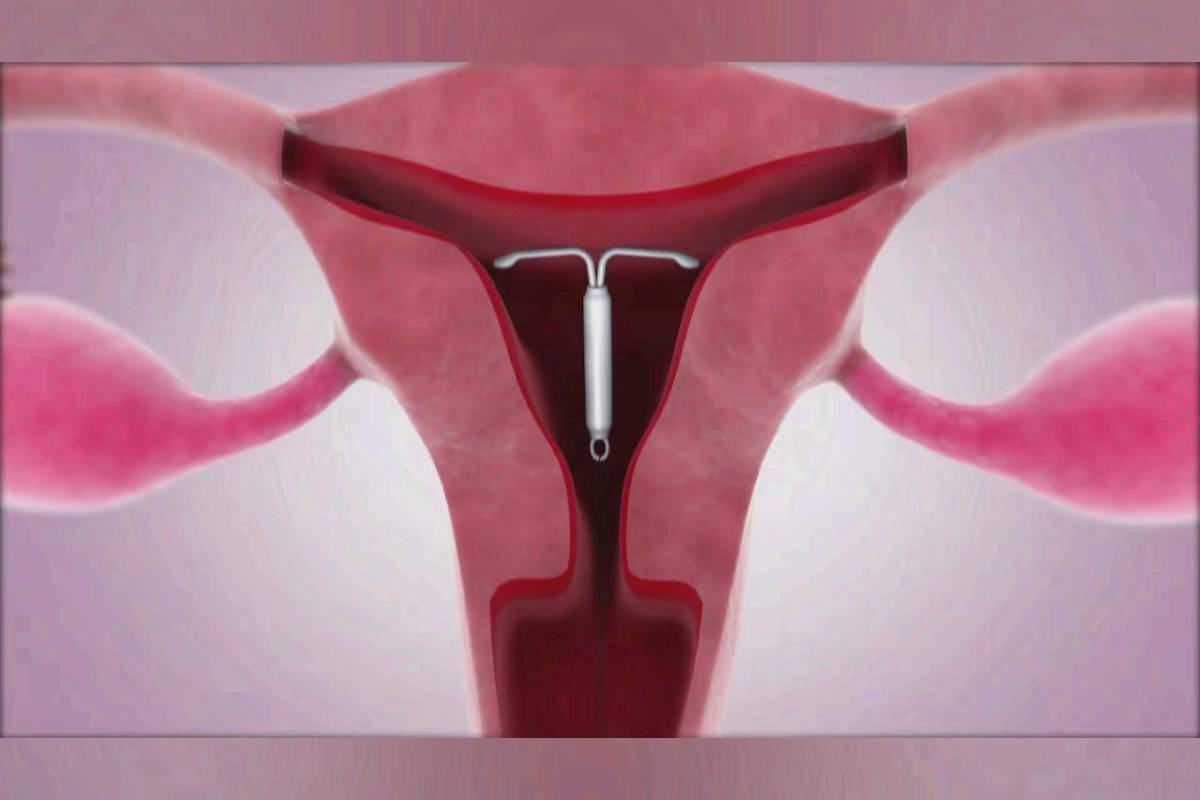
VISUAL: IUD most effective birth control method, Canadian pediatricians declare | CBC News