


Two days after the above report was published the same publication reported that a 28-year-old woman had received a suspended sentence after she pleaded guilty to having a medical abortion. The woman is understood to have bought abortifacient pills from the internet and used them to induce abortion at an early stage of her pregnancy in November 2024. But she went to the hospital for help after experiencing abdominal pain, and after confirming that she had had a medical abortion, the doctors examining her saw fit to inform the police.
The woman was subsequently arraigned under summons, and on her guilty plea was sentenced to a 22-month jail term suspended for two years.
ADPD – the Green Party — calls for presidential pardon
The ruling was met with condemnation by groups in favour of decriminalising or legalising abortion in Malta, including the Green Party (ADPD), which supports decriminalisation. Party chairperson Sandra Gauci expressed concern about the breach of doctor-patient confidentiality that led to the woman’s prosecution, stating that it showed how a woman who found herself in difficulty cannot even trust her doctors.
She called the criminal proceedings launched against the young woman a “witch hunt” which confirmed the validity of her party’s calls for decriminalisation. Gauci also insisted that the government should recommend a presidential pardon for the woman, in line with the position taken by the Labour Party’s general conference that women should not be jailed or threatened with prison over abortion.
Pro-choice coalition insists on decriminalisation
The Voice for Choice coalition, meanwhile, insisted that the judgment belied the hollow claim that “women don’t go to prison” over abortion. “The government has said that women should not be criminalised. The opposition has also acknowledged that women should not be criminalised – a cross-party commitment is both possible and urgently needed – not just to stop prosecutions, but to stop pushing women and girls away from the very health system put in place to protect them – a health system they are just as entitled to make use of as the rest of us,” they said.
Article 241 of the Criminal Code sets out that anyone who causes a woman to miscarry – irrespective of her consent – shall be liable to imprisonment for a term from 18 months to three years, and that the same punishment applies to the woman concerned if she consents or procures her own miscarriage.
Despite apparent parliamentary consensus that the latter point should be changed, however, no revision to the article was made when Malta changed its abortion laws to ensure that criminal provisions on abortion do not apply when a woman’s life is in danger.
The coalition also lamented that some doctors still wrongly believed that they were legally obliged to report patients who had had an abortion, blaming the situation on an “absence of institutional clarity” that they said put lives at risk.
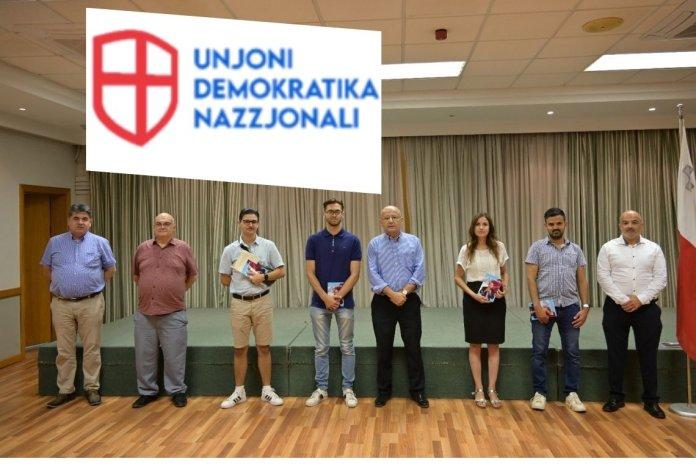
During the following week, not to be left out, a group from the Unjoni Demokratika Nazzjonali who had just put themselves forward as the “new conservative group that supports Christian values”, described by the August Newsbook report as a political party in all but name, condemned what they called the government’s latest assault on the sanctity of human life, denouncing proposals to amend medical professional secrecy laws to ensure the right of patients to professional confidentiality, as nothing short of the “de facto decriminalisation of abortion” through underhanded means. They called out Prime Minister Robert Abela’s administration for pursuing what they described as a deliberate campaign to erode the fundamental right to life of Malta’s most vulnerable citizens (sic), the unborn.
They condemned government plans to prevent doctors from reporting abortions to authorities without patient consent, effectively removing what they called the last vestiges of legal oversight that protects innocent human life (sic) and what we would call women’s right to confidentiality. In the photo of the group, the eight persons representing them consisted of four older, balding, pot-bellied men, three younger men and one very lone young woman…
SOURCES: Newsbook Malta, by John Paul Cordina, 28 July 2025 ; Newsbook Malta, by John Paul Cordina, 30 July 2025 ; Newsbook Malta, by Jurgen Balzan, 4 August 2025.