


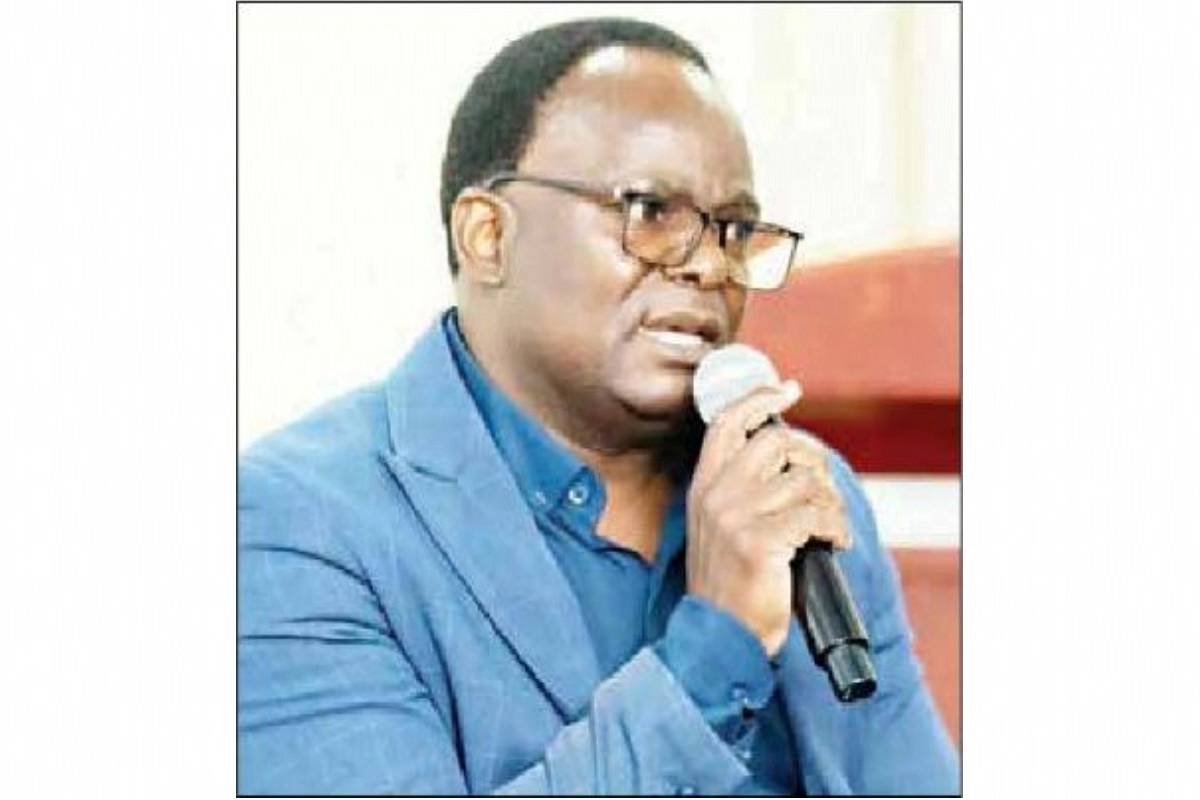

Debate has emerged over renewed calls for a referendum to decide whether Malawi should proceed with reforms to the legal framework governing abortion. Chairperson of the Parliamentary Committee on Health, Anthony Masamba, has made the proposal. He argues that Members of Parliament (MPs) should not use their mandate to table and pass the Termination of Pregnancy Bill at this stage.
“We need a referendum because if we go to church, we are told not to kill. Human rights organisations will say it is an individual’s right to choose. Civil society organisations that deal with women’s rights will present their own views. Why not hold a referendum where chiefs, religious leaders and women themselves can express their views,” he said during a Times Television programme aired over the weekend.
He acknowledged that abortion is a public health challenge in Malawi but insisted MPs should not pass the bill without wider public input. According to Masamba, the recent Malawi Demographic and Health Survey shows that 32 percent of adolescent girls become pregnant, with over 40 percent in rural areas resorting to unsafe abortion.
However, Centre for Human Rights and Rehabilitation Executive Director Michael Kaiyatsa said fundamental human rights, public health and bodily autonomy should not be decided by popular vote.
“Parliament has a constitutional mandate to legislate on behalf of Malawians. Delegating this responsibility to a referendum risks delaying urgent reforms and politicising a critical public health issue,” Kaiyatsa said.
He added that experience from other countries shows referendums on sensitive moral issues often spread misinformation, fear and stigma rather than support informed decision-making. Kaiyatsa further said his organisation supports the tabling and enactment of the bill as a necessary step towards protecting women’s rights and reducing preventable deaths.
Health rights activist Maziko Matemba said the proposal for a referendum marks a shift from legislative action to public consultation. However, he warned that the process is complex and could slow progress if shaped by religious and moral considerations. “Proponents of the bill argue that legislative reform is a human rights and public health necessity. A referendum could either provide a clear national mandate or stall progress if the public remains divided along religious and moral lines,” he said.
Matemba added that the lack of expanded legal grounds for abortion has serious consequences for women and the healthcare system.

“Complications from unsafe abortions account for approximately 17 to 18 percent of maternal deaths in Malawi. Between 2022 and 2023, an estimated 35,000 unsafe abortions occurred, often involving harmful substances or untrained providers. While the High Court ruled in October 2025 that survivors of sexual violence have a right to abortion, many healthcare providers still fear criminal prosecution and may deny care even in legal cases,” he said.
SOURCE: PressReader.com – Digital Newspaper & Magazine Subscriptions. The Daily Times. 22 April 2026.