


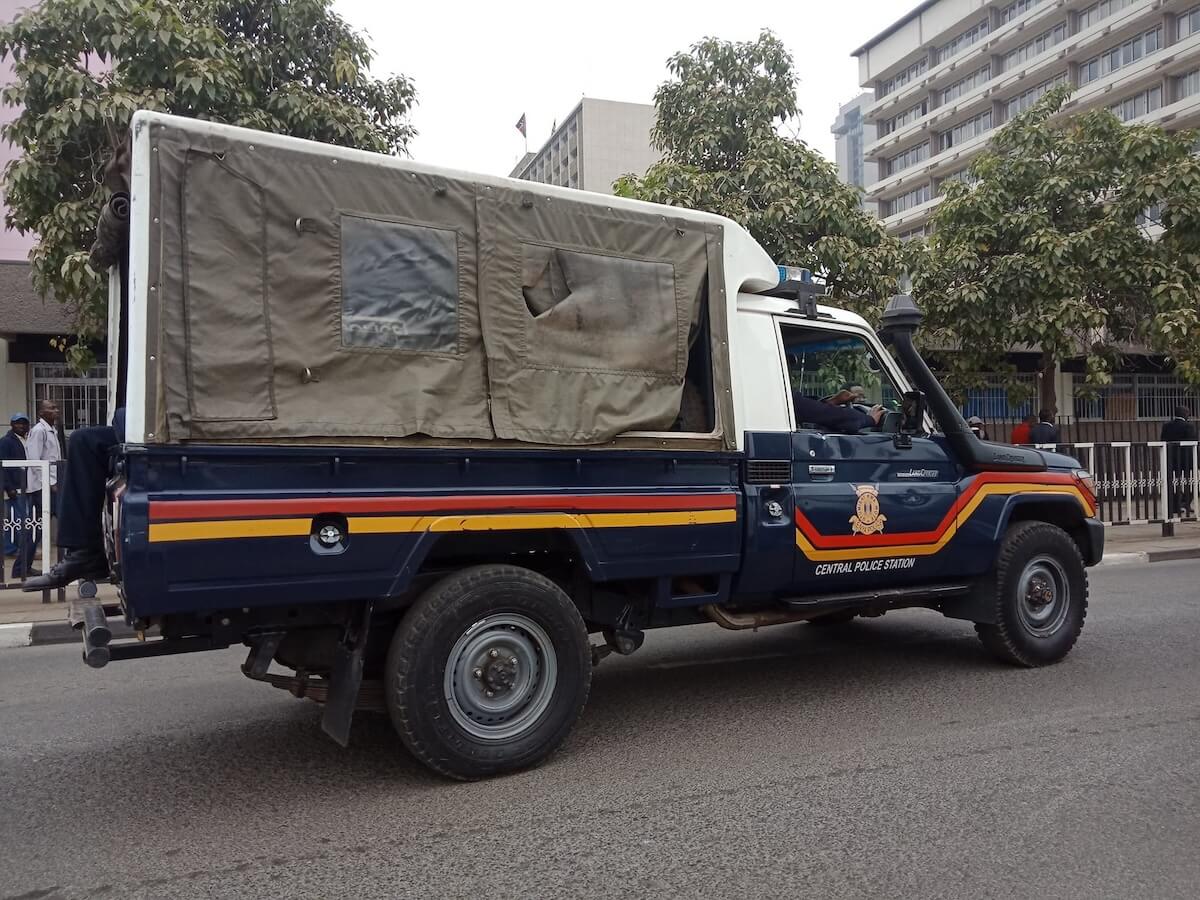
Kenyan old-style police van (Facebook)
A 35-year-old woman has been found dead alongside a foetus in Kiambu, sparking a police investigation. The implications for public health are staggering.
Detectives in Kiambu East Subcounty have launched a homicide investigation after a 35-year-old woman was discovered dead in her home alongside a foetus, an incident that has cast a grim spotlight on the region’s underground reproductive health crisis. The discovery was made on the morning of 30 May after a concerned tenant noticed an unlocked door and alerted the landlord. Officers responding to the scene found the deceased in a pool of blood, with the fetus still attached to the placenta, pointing to a suspected botched abortion.
The circumstances surrounding the tragic demise remain under intense police scrutiny, but the gruesome scene has reignited national debates regarding maternal mortality and the desperate measures women undertake in the absence of accessible reproductive healthcare. The body has since been transferred to the Kiambu Level 5 Hospital Mortuary, where government pathologists are scheduled to conduct a post-mortem examination. Authorities maintain that the autopsy will provide conclusive evidence on the exact cause of death and assist in identifying any unregulated medical practitioners who may have facilitated the procedure.
Detectives in Kiambu East Subcounty have launched a homicide investigation after a 35-year-old woman was discovered dead in her home alongside a foetus, an incident that has cast a grim spotlight on the region’s underground reproductive health crisis. The discovery was made on the morning of May 30 after a concerned tenant noticed an unlocked door and alerted the landlord. Officers responding to the scene found the deceased in a pool of blood, with the foetus still attached to the placenta, pointing to a suspected botched abortion.
The circumstances surrounding the tragic demise remain under intense police scrutiny, but the gruesome scene has reignited national debates regarding maternal mortality and the desperate measures women undertake in the absence of accessible reproductive healthcare. The body has since been transferred to the Kiambu Level 5 Hospital Mortuary, where government pathologists are scheduled to conduct a post-mortem examination. Authorities maintain that the autopsy will provide conclusive evidence on the exact cause of death and assist in identifying any unregulated medical practitioners who may have facilitated the procedure.
The silent epidemic of unsafe procedures
While the Kiambu incident has shocked local residents, medical experts note that it represents a broader, systemic failure within Kenya’s public health framework. Restrictive legal parameters and profound social stigma continually drive thousands of women into the hands of unqualified backstreet operators. The Ministry of Health and international health organizations have repeatedly warned that unsafe abortions account for a significant percentage of maternal deaths nationwide, often resulting from severe haemorrhage, systemic infection, or organ perforation.
According to public health advocates, informal settlements and peri-urban areas like Kiambu are particularly vulnerable. Economic pressures, combined with a lack of comprehensive sex education, leave many young women with few viable options when faced with unintended pregnancies. The tragic outcome of the 35-year-old woman underscores the fatal risks associated with clandestine medical interventions performed without sterile equipment or professional oversight.
Detectives in Kiambu East Subcounty have launched a homicide investigation after a 35-year-old woman was discovered dead in her home alongside a foetus, an incident that has cast a grim spotlight on the region’s underground reproductive health crisis. The discovery was made on the morning of May 30 after a concerned tenant noticed an unlocked door and alerted the landlord. Officers responding to the scene found the deceased in a pool of blood, with the foetus still attached to the placenta, pointing to a suspected botched abortion.
The circumstances surrounding the tragic demise remain under intense police scrutiny, but the gruesome scene has reignited national debates regarding maternal mortality and the desperate measures women undertake in the absence of accessible reproductive healthcare. The body has since been transferred to the Kiambu Level 5 Hospital Mortuary, where government pathologists are scheduled to conduct a post-mortem examination. Authorities maintain that the autopsy will provide conclusive evidence on the exact cause of death and assist in identifying any unregulated medical practitioners who may have facilitated the procedure.
Legal ambiguity and medical reality
The legal landscape surrounding reproductive rights in Kenya remains complex. Article 26(4) of the Constitution permits abortion only when the life or health of the mother is in danger, or if permitted by any other written law. However, the interpretation and enforcement of these provisions often result in a chilling effect on qualified medical practitioners, driving the demand for the procedure underground. Human rights organizations argue that criminalizing reproductive choices disproportionately endangers low-income women who cannot afford private, specialized care.
- An estimated seven maternal deaths occur daily in Kenya due to pregnancy-related complications, with unsafe abortions remaining a leading cause.
- Over 70 percent of women seeking post-abortion care in public hospitals report having visited unlicensed practitioners.
- Peri-urban zones exhibit disproportionately high rates of reproductive health emergencies due to rapid population growth and strained public facilities.
- Advocacy groups continue to push for clearer legislative guidelines to protect both patients and healthcare providers.
Community shock and law enforcement response
In Kiambu East, the local community remains deeply unsettled by the incident. Neighbours described the deceased as a quiet resident, highlighting the intense secrecy that often surrounds reproductive health struggles. Detectives are currently interviewing witnesses and tracing the woman’s recent movements to determine whether she was attended to by a local quack doctor or if the procedure was self-induced. The Directorate of Criminal Investigations has urged members of the public to volunteer any information that could lead to the apprehension of individuals operating illegal clinics.
Police have also heightened surveillance on unregulated dispensaries and pharmacies in the area, which frequently serve as fronts for illicit medical procedures. Authorities warn that anyone found culpable of procuring or assisting in an unsafe abortion resulting in death will face stringent criminal charges, including manslaughter or murder, depending on the evidentiary findings.
A call for systemic healthcare reform
The tragedy in Kiambu is a harrowing reminder of the human cost of delayed healthcare reforms. Medical associations are increasingly calling for the integration of comprehensive reproductive health services within the universal healthcare rollout. By decentralizing access to family planning and post-abortion care, policymakers hope to mitigate the desperate circumstances that lead to such fatal outcomes. Until such systemic changes are fully implemented, vulnerable populations will remain at the mercy of dangerous, unregulated practices.
As the Kiambu community awaits the results of the post-mortem examination, the story stands as a tragic testament to a much larger crisis. What emerges next from the police investigation could either lead to the dismantling of a local backstreet syndicate or simply add another statistic to the silent toll of maternal mortality.
SOURCE: Streamline, 1 June 2026.