


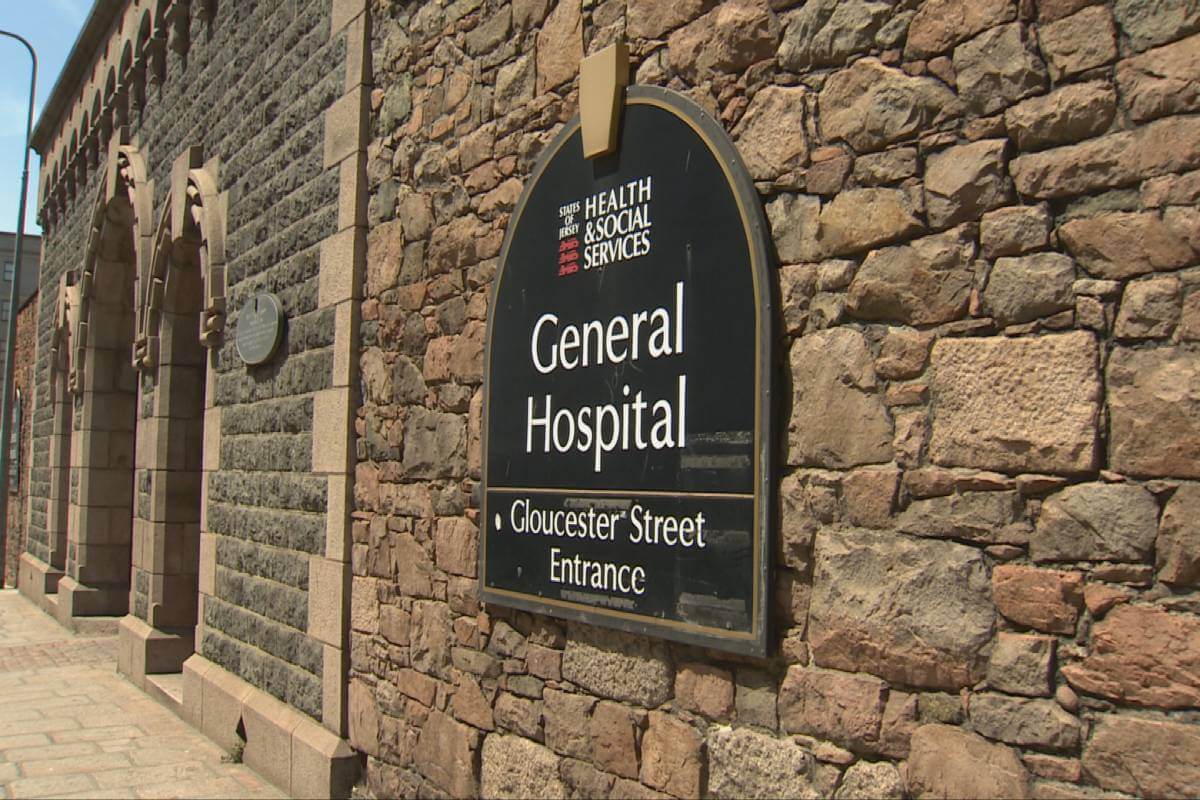
Campaigners have hit out at Jersey’s government as it was revealed that while proposed changes to the island’s abortion law will allow longer for terminations, women will have to travel off-island for treatment after 13 weeks and pay for it themselves unless it is deemed “medically necessary”.
Those seeking an abortion from 13 weeks to 21 weeks and six days, which is the suggested new limit for most terminations, would have to foot the bill for the procedure, as well as pay for travel to the UK and accommodation.
The draft law states this is because abortions can only be performed in Jersey before 13 weeks due to “workforce constraints and the need to provide safe services” – with the exception for urgent medical situations.
Abortions under 13 weeks can take place in Jersey and cost £185 for women who have lived on the island for at least six months. Some can also receive this on-island treatment for free, such as those on income support, those aged under 18 or in full-time education, or pregnant as a result of rape or incest. However, these groups are not covered after 13 weeks and would also face the travel and treatment fees, unless there is a medical exemption.
In response to concerns over the costs attached to the draft law, Deputy Andy Howell, Jersey’s Assistant Health Minister, said: “I’m really sorry but we just can’t pay for everything. But we want people to know that if you go early then it’s much less traumatic, and we’ve got a really lovely councillor who can help you and is there at all times. Try to go early, try to recognise that you might be pregnant early and then seek help.”
Deputy Howell then added: “I understand the concerns some islanders may have. However, very few Jersey residents have non-medically necessary terminations in the UK off-island. “In 2022, the last available data [show that] fewer than five Jersey residents had terminations in the UK, which includes women having medically necessary terminations. Women are, instead, opting for earlier stage terminations in Jersey, which are lower risk than later-stage terminations (sic), so our priority is to support access to those terminations.”
Around 260 pregnancy terminations were recorded in 2023 in Jersey, according to a report by Public Health. This marks an 8% increase from the previous year when there were 240. Health officials believe the higher cost of living and financial pressures could be factors behind the rise, as well as increased access to medical rather than surgical terminations.
Medical abortions accounted for 93% of all terminations with 92% performed less than 10 weeks into the pregnancy. The number of terminations between 10 and 12 weeks has fallen from 49% in 2001 to 8% in 2023.
Jersey’s abortion rate is consistently lower than England and Wales but higher than the European Union average. Between 2021 and 2023, 12% of terminations involved women under 20 and 69% were women aged between 20 and 34 years. Three in four abortions were for women having their first termination, 19% were undergoing their second and 6% had three or more previous abortions.
Public Health said publishing these statistics could help inform and develop health provision in Jersey. They wrote in 2024: “The report seeks to support informed decision-making and enhance understanding of the factors influencing abortion trends in our community. “This year’s findings will help guide future public health strategies and improve reproductive health services.”
SOURCES: ITV.com. 7 August 2025 ; ITV.com. 21 June 2024. PHOTO: ITV Channel.