


by Wondimu Gudu, Catalina M Valencia, Leticia I Ojeda, Priya Sola-Pillay on behalf of the FIGO Committee on Preterm Birth
First published: IJOG, 10 April 2026 https://doi.org/10.1002/ijgo.70993
Abstract
Preterm birth (PTB) is the leading cause of mortality in children aged under 5 years and a major contributor to lifelong morbidity, disproportionately affecting low- and middle-income countries. Despite its significant burden, PTB remains under-prioritized on global and national health agendas, with limited integration into monitoring frameworks, funding streams, and policy strategies.
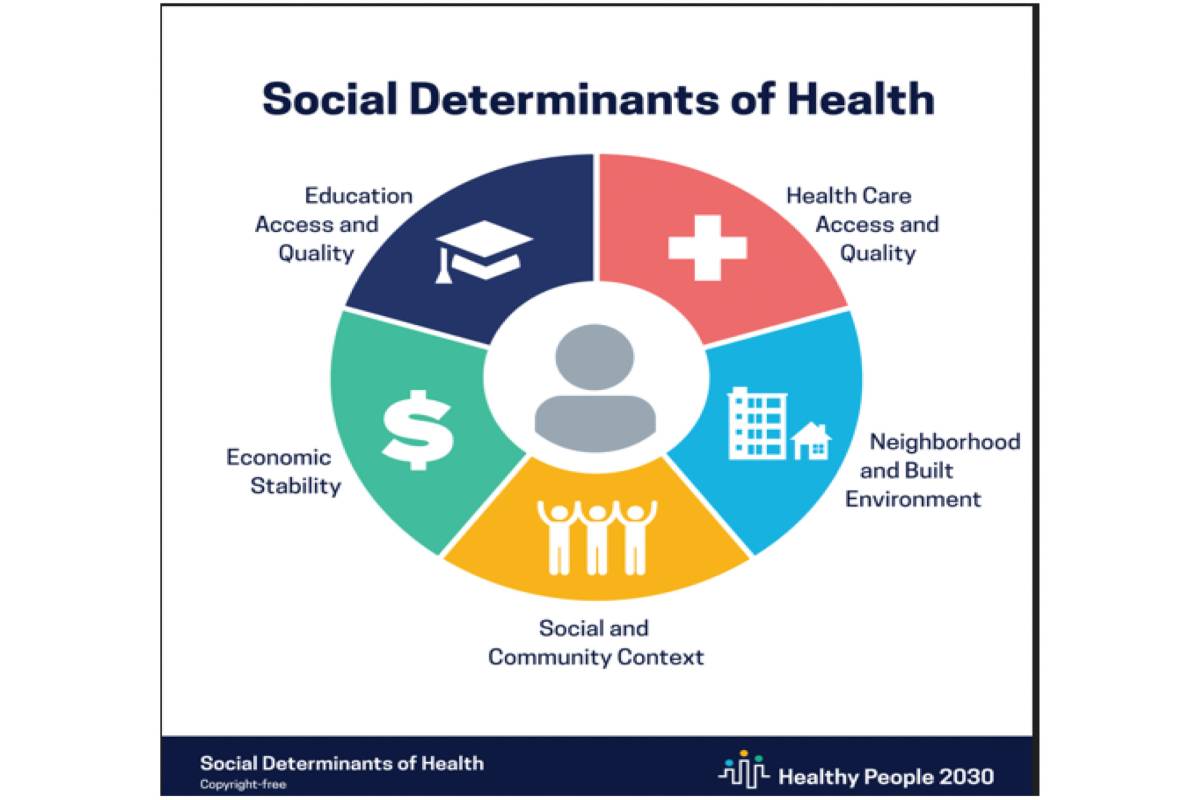
This paper, developed by the FIGO Committee on Preterm Birth, reviews current evidence and international experiences to highlight the urgency of elevating PTB as a maternal and newborn health priority. Effective, low-cost interventions—including quality antenatal care (ANC) and neonatal care, support for breastfeeding, infection management, and access to corticosteroids—could prevent up to three-quarters of PTB-related deaths, yet their implementation remains uneven. Moreover, addressing social determinants of health, such as poverty, gender-based violence, inadequate maternity leave, and poor access to health care, is essential to reducing inequities in outcomes.
Policy innovations from Latin American countries demonstrate how national legislation and protocols can improve prevention and care. To achieve meaningful progress, PTB must be integrated into Sustainable Development Goal strategies and the Every Newborn Action Plan, supported by strong political will, multisectoral collaboration, and investment in research and innovation.
Advocacy efforts should focus on developing national prevention programs, engaging community health workers (CHWs), standardizing care guidelines, and strengthening public–private and international partnerships. A comprehensive approach that integrates evidence-based interventions with policy reforms is crucial to reducing PTB incidence, improving survival, and ensuring equitable outcomes for mothers and newborns worldwide.
From the Introduction
“Preterm birth (PTB) is the delivery of infants before 37 0/7 weeks of pregnancy. It is sub-categorized into three groups based on gestational age: extremely preterm (<28 weeks), very preterm (28 to <32 weeks), and moderate to late preterm (32–37 weeks).
Infants may be born preterm because of spontaneous preterm labor or because there is a medical indication to plan an induction of labor or cesarean birth early. The rate of preterm delivery varies worldwide, at 4%–16%, with a reported average of 10%. An estimated 13.4 million infants were born too early in 2020, which is more than 1 in 10 infants. Although PTB occurs across communities and geographies, 80% of PTBs occur in South Asia and sub-Saharan Africa. Approximately 900 000 children died in 2019 of complications of PTB. Many survivors face a lifetime of disability, including learning disabilities and visual and hearing problems. Three-quarters of these deaths could be prevented with current, cost-effective interventions.
Globally, prematurity is the leading cause of death in children aged under 5 years. Inequalities in survival rates around the world are stark. In low-income settings, half of the infants born at or below 32 weeks die due to a lack of feasible, cost-effective care such as warmth, breastfeeding support, and basic care for infections and breathing difficulties. In high-income countries, almost all these infants survive. For example, more than 90% of extremely preterm infants (<28 weeks) born in low-income countries (LICs) die within the first few days of life, yet less than 10% of extremely preterm infants die in high-income settings. Suboptimal use of technology in middle-income settings causes an increased burden of disability among preterm infants who survive the neonatal period. Regular in-service training of healthcare professionals and ensuring the availability of basic equipment for resuscitation of preterm neonates would have an impact on overall outcome of PTB in low- and middle-income countries (LMICs).
In 2012, a seminal report, Born Too Soon: The Global Action Report on Preterm Birth, led by the March of Dimes, the Partnership for Maternal, Newborn & Child Health (PMNCH), Save the Children, and WHO, provided the first-ever estimates of the global burden of PTB. It also introduced a global action agenda to reduce the PTB rate by 50% by 2025.
However, despite the huge global burden of prematurity and its health impacts, progress has been slow, and PTB remains largely hidden on the global policy agenda. Policymakers have failed to adequately prioritize PTB. Current levels of political attention and investment, among other factors, have contributed to the lack of mobilization of the global community to achieve the 2012 Born Too Soon report goal of reducing the PTB rate by 50% by 2025. Reducing PTB is essential to achieve the Sustainable Development Goal (SDG) for health (SDG 3), , including the key targets on newborn and child mortality, yet prematurity is not measured in the indicators or monitoring frameworks. Similarly, the Every Woman Every Child Global Strategy for Women’s, Children’s and Adolescents’ Health (2016–2030) has a strong focus on newborns and preventing stillbirths, but not prematurity…”
From Rationale
“In contemporary maternal health care, much emphasis is placed on the physical and medical aspects of pregnancy; however, it is the interaction and overlap of numerous social determinants that ultimately shape the health of pregnant women and their newborns. PTB results from a complex interaction of socioeconomic, behavioral, and biological factors. Among all obstetric complications, the interplay of social determinants of health is particularly pronounced in PTB. The health of pregnant women is impacted by factors such as income security, workplace issues, employment policies, lifestyle, and access to health care. Despite the significant scale and wide-ranging consequences of PTB, global political commitment, multisectoral collaboration, and overall attention to the issue remain insufficient. In most countries, PTB is still not prioritized in national health policies. The economic costs of PTB’s contribution to childhood disability should also grab the attention of policymakers as the annual societal costs for one disabled child could be up to the country’s GDP per capita. The burden is heavier on households in LICs as most of the costs are paid out-of-pocket, leading to impoverishment of the whole family…”
Editor’s Note: This is a long, detailed article, and a very important one to raise in international forums and in countries where the extent of morbidity and mortality in infants from pre-term birth is the highest, especially in Africa and Asia. It is perhaps worth noting that the anti-abortion movement, who claim to be so concerned with keeping embryos alive in the womb, have also not shown interest in or done any campaigning for a reduced mortality from pre-term births.