


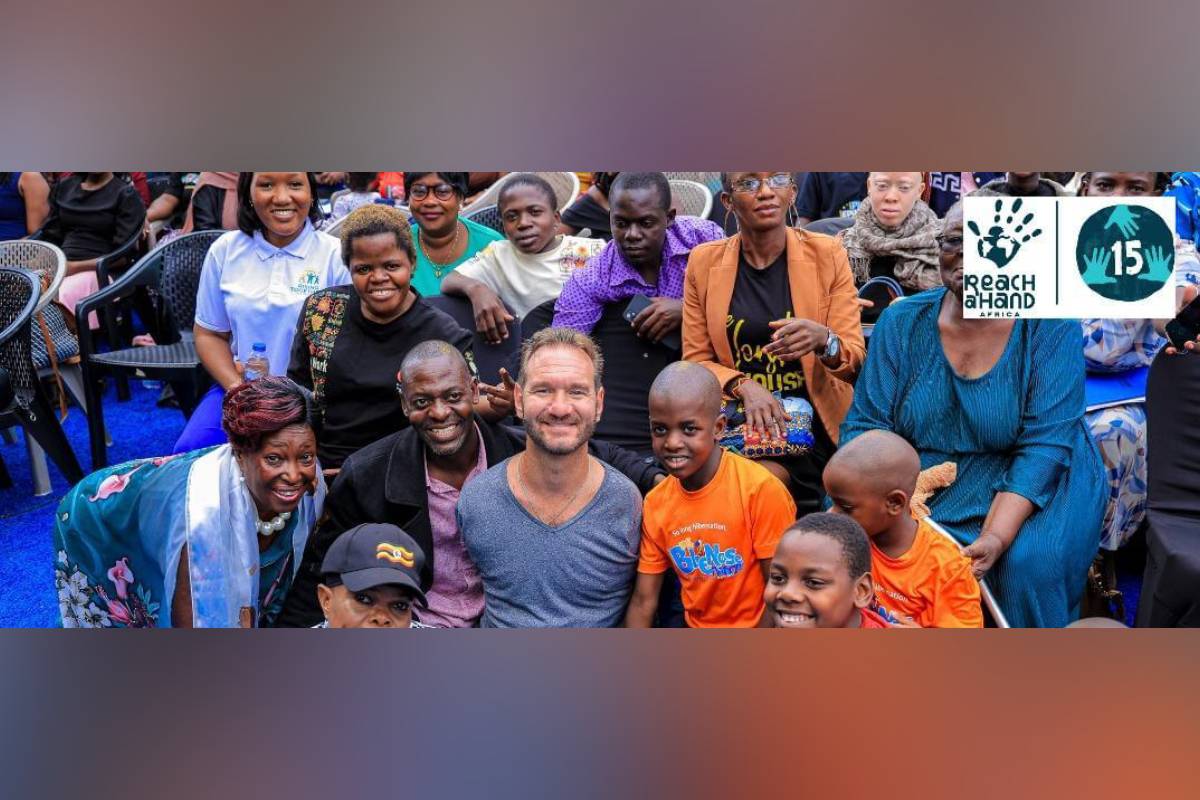
Hello Safe Abortion Women’s Right!
For many young people with disabilities, a door isn’t always just a door.
No ramp. No Braille materials. No teacher trained to include them. For too many learners, opportunity stays just out of reach, not because they can’t, but because the system wasn’t built with them in mind.
In our latest bulletin, we unpack what real inclusion looks like, what’s been promised on paper, and things that need to change to turn “access” into “belonging”.
[Read the full bulletin here]
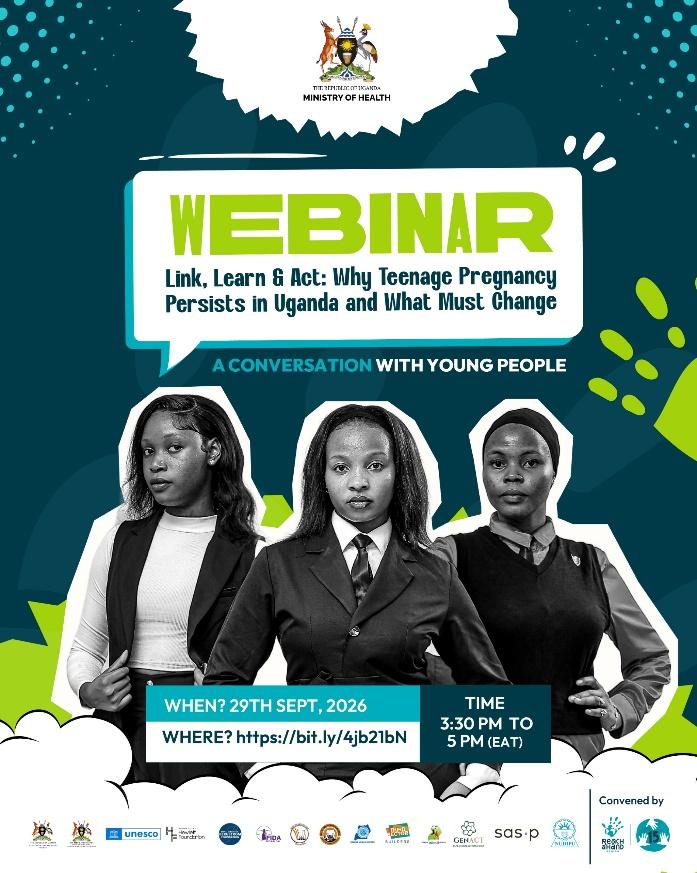
Why does teenage pregnancy continue to persist in Uganda, and what needs to change?
Through Link, Learn & Act, a global learning webinar series born out of the Teenage Pregnancy Surveillance and Response Platform by the Ministry of Health Uganda, we have so far gathered lessons and experiences from Tanzania, Ethiopia, Senegal, Malawi, Zambia, Rwanda, Kenya and beyond to explore what is working and what needs to change.
Now, we are bringing the conversation closer to home by putting young people from West Nile at the centre, creating space to hear their experiences, understand the barriers they face, and learn what they believe needs to change. Want to hear directly from young people in West Nile? Click here to register: [LINK]
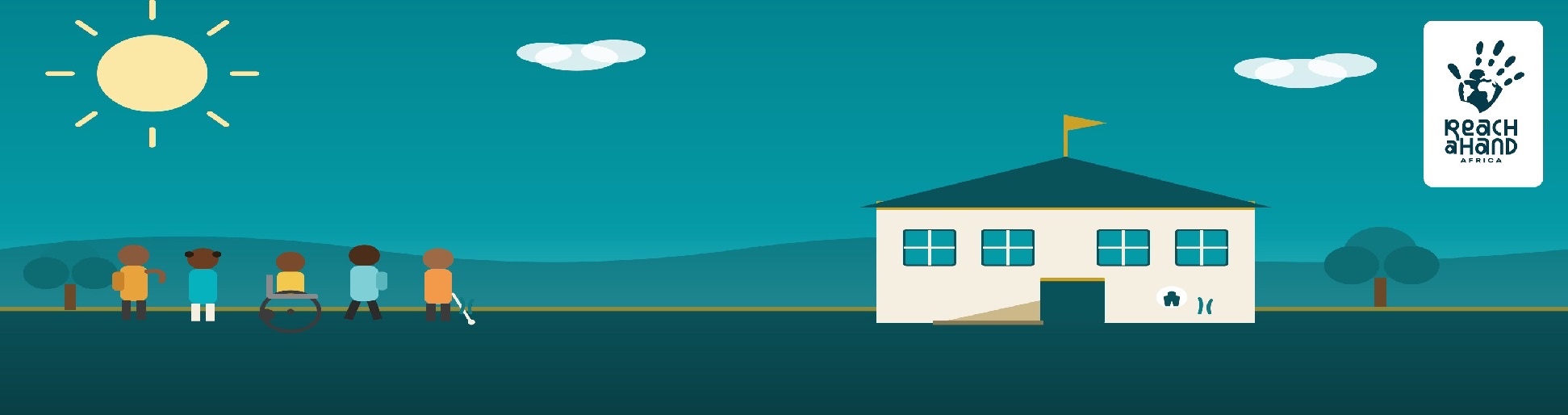
BACK TO SCHOOL, BUT NOT FOR EVERYONE
Disability inclusion, education and Africa’s unfinished policy commitments
The bells are ringing again. But for young people with disabilities, going back to school means asking questions many others never have to: Will I enter my classroom? Will I be supported, or simply expected to fit into a system that was not designed with me in mind?
During a recent consultation, one learner shared that the lack of ramps made it difficult to access classrooms and sanitation facilities. Braille materials and assistive technologies remain expensive and hard to access for visually impaired learners — barriers compounded by stigma, poverty and limited teacher capacity. The challenge is not only whether children with disabilities enter school, but whether they can participate, remain, learn and complete their education.
THE UGANDA PICTURE
Uganda has recognised inclusive education as a policy and rights issue, with the Ministry of Education and Sports acknowledging the need for teaching approaches, materials and school environments that respond to learners with disabilities — including Braille and sign language.
Yet gaps remain. Uganda’s 2017 Functional Difficulties Survey estimated approximately 2.5 million children experienced some form of functional difficulty. More recent census-based findings indicate that 51.3% of persons aged 6–24 with disabilities are out of school.
WHY DOES THIS MATTER FOR FOREIGN POLICY?
International commitments, development financing and regional cooperation all shape the resources and standards available to education systems. Disability inclusion sits at the intersection of human rights, education, development cooperation and Africa’s development agenda. The question is not simply whether countries have signed commitments — it is whether those commitments show up in budgets, accessible infrastructure, trained teachers, reliable data and the meaningful participation of young people with disabilities.
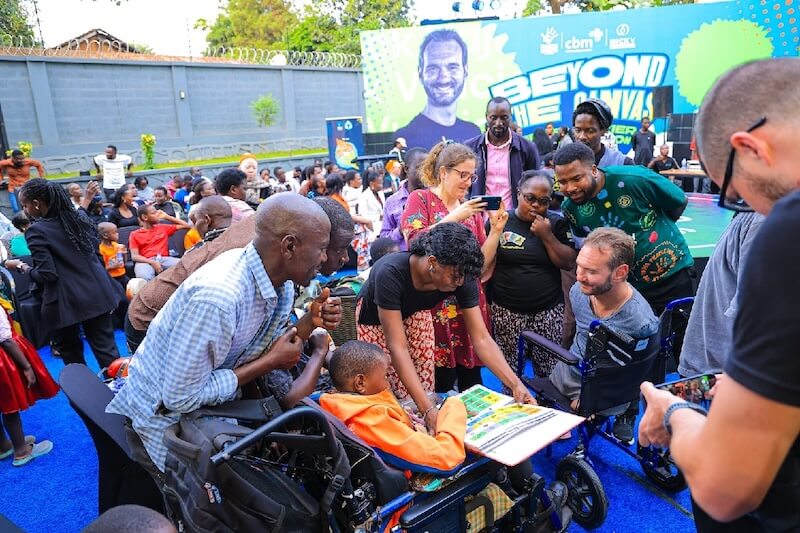
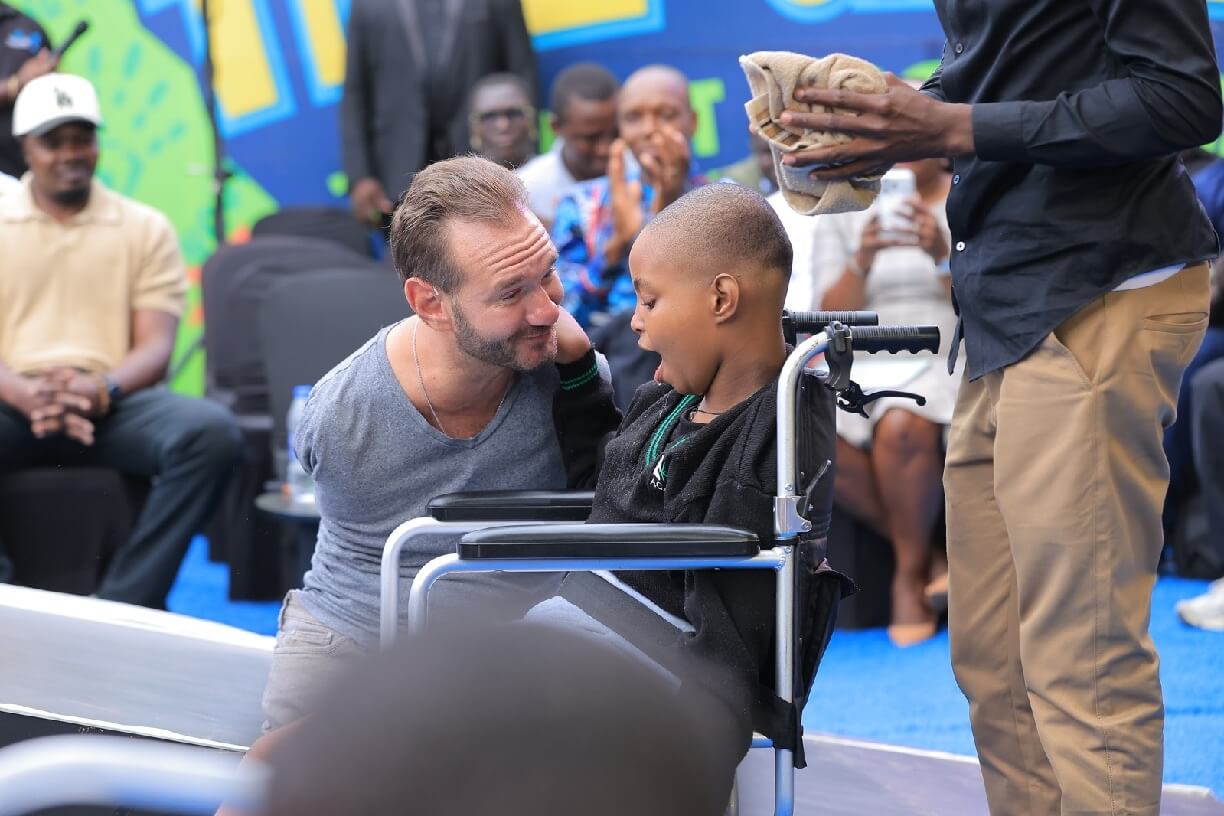
Uganda is part of a wider African conversation about who benefits from education and development. Governments across the continent have committed to equality and inclusion through Agenda 2063, the African Charter on the Rights and Welfare of the Child, and the UN Convention on the Rights of Persons with Disabilities — connecting disability inclusion to SDG 4 and SDG 10. If young people with disabilities are excluded from education today, that exclusion can continue into the labour market and decision-making tomorrow.
WHAT NEEDS TO CHANGE?
The bigger question
The school gate may be open. The real measure of inclusion is whether everyone can walk through it and thrive. For Africa, the challenge is bigger still: can our commitments to inclusive development become realities for every young person, including those with disabilities?
Finance inclusion. Education budgets must provide for accessibility, assistive technology, teacher training and reasonable accommodation.
1 – Build accessibility into education systems. Covering infrastructure, sanitation, transport, learning materials and digital education.
2 – Invest in people. Teachers, interpreters and counsellors need the skills and resources to support diverse learners.
3 – Put young people with disabilities at the centre. They should help shape, implement and monitor education policies, not just be consulted.
4 – Strengthen accountability and data. Track enrolment, retention, completion and learning outcomes using disability-disaggregated data.
5 – Make disability inclusion part of Africa’s development agenda — not a separate issue addressed only through disability programmes.
Reach A Hand Africa · Celebrating 15 years of youth empowerment https://reachahandug.org/
Copyright © 2026 Reach A Hand, Africa. All rights reserved. Thank you for being part of our network.
Our mailing address is: Reach A Hand, Africa · Plot 869, Block 24, Lungujja Avenue–Kalema Road, P.O. Box 138008, Kampala, Uganda.