


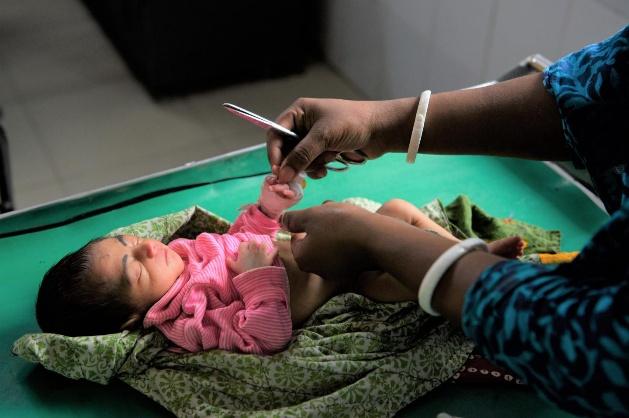
Well, yes and no
On 18 June 2026, Bangladesh Sangbad Sangstha (BSS) Business News reported that on 14 June 2022, Bangladesh had “attained huge success in reducing infant, maternal mortality in the last five decades, securing the top position in South Asia”. The report stated:
“According to World Bank estimation, the current infant mortality rate for Bangladesh was 21 deaths per 1,000 live births, making 85 percent decline from 1971, as the rate was 141 deaths during Bangladesh’s independence.
“The infant mortality rate in Pakistan is now 55, much higher than Bangladesh, but it was lower in Pakistan than in Bangladesh in the year when Bangladesh achieved independence. Infant mortality rate for Pakistan was 139 deaths per 1000 live births in 1971.
“According to health experts, Bangladesh achieved unprecedented success in every health index in the last 50 years since independence.”
But as you read further down this news report, the less clear the extent of that success appears to have been:
“Annual Global Childhood Report 2019 of the humanitarian organization “Save The Children” says child mortality rate has reduced to a great extent in Bangladesh, Bhutan, India and Nepal in the last two decades. “Among the four countries, Bangladesh has made the highest progress. Child mortality ratio declined 60 percent in Bhutan, 59 percent in Nepal and 57 percent in India while it was 63 percent in Bangladesh in the last two decades.”
But the “best” change depends on where each country started at that time.
“Health and Family Welfare Minister Zahid Maleque said the government has increased all facilities in reducing maternal and infant mortality. “In 2017, maternal mortality rate during pregnancy was 176 deaths per 1,00,000 which is now 172, he said. “In 2015, infant mortality rate was 20 deaths per 1000 live births but it declined to 18.4 deaths per live births.”
These last statistics, given the number of years in between, are barely an improvement. And this article is proof that it’s best to leave this topic to the experts who understand what a real improvement means.
SOURCE: BSS News, 18 June 2026. PHOTO: UNICEF.