


Madrid officials began discussions on 2 April 2026 on establishing a registry for medical professionals who refuse to perform abortions. The new proposal sparked debate among politicians and the public. The decision could impact access to healthcare services in the region.
The introduction of a registry for medical workers who refuse to perform abortions on ethical grounds could shift the balance between patient and doctor rights in Madrid. For residents of the region, this may mean changes in access to healthcare services and new regulations for hospitals. Authorities say the decision is aimed at complying with legislation and ensuring medical standards are met.
As El Pais notes, the Madrid government has published the draft document on a public consultation portal. This step allowed not only experts but also ordinary citizens to share their views on the proposed regulation. Officials emphasize that transparency and consideration of diverse opinions will help prevent conflicts between medical staff and patients.
Public response
The initiative has sparked lively debate among politicians and the public. Some believe the registry will protect medical workers’ rights, while others fear it will make it harder for women to access necessary procedures. The issue of balancing freedom of conscience with the right to medical care remains unresolved. According to El Pais, rights groups and professional associations are already closely following the discussion.
Madrid authorities have emphasized that creating the registry should not restrict access to abortions. At the same time, they note the importance of considering the opinions of medical workers to avoid putting pressure on staff. During the public consultation, suggestions are being made to improve the mechanism for monitoring and safeguarding the rights of all parties involved.
Legal aspects
The decision to launch the registry is linked to a court order requiring regional authorities to ensure transparency regarding the refusal to perform abortions. This is not the first time courts have intervened in the regulation of medical services in Spain. Similar processes have previously taken place in other regions of the country, where there have also been disputes over the boundaries of freedom of conscience.
Impact on the healthcare system
The new procedure was expected to affect how both public and private clinics are organized. Medical facility managers would gain a tool for scheduling shifts and assigning duties based on declared refusals. This could improve operational efficiency, but would also require additional resources for administration.
The question of how exactly women would be granted access to abortion when there is a high number of objectors remained under discussion. Some experts suggested creating special teams or bringing in specialists from other regions. Analysis by russpain.com indicates that similar measures have already been implemented in other autonomous communities facing staff shortages.
Context and similar cases
In recent years, Spain has seen an increase in cases where healthcare workers have refused to perform certain procedures on ethical grounds. For example, in Catalonia, the age range for bowel cancer screening was recently expanded, which also sparked discussions about healthcare accessibility and resource allocation.
The introduction of a register in Madrid could become an example for other regions where similar initiatives are being discussed. Balancing the rights of patients and healthcare workers remains a relevant issue nationwide. Active debate on the project and possible adjustments, taking into account incoming proposals, are expected in the coming months.
Various regions in Spain have already attempted to regulate the issue of medical professionals refusing to perform certain procedures. Similar initiatives have been discussed in Andalusia and Navarra, but their implementation faced legal and ethical challenges. In some cases, authorities introduced temporary measures to ensure uninterrupted operation of clinics. Overall, the balance between the personal beliefs of specialists and patients’ rights remains one of the most pressing issues in Spanish healthcare.

But everything has now changed since the 2 April! RussSpain reports on 30 April 2026 that a key session of the national Congress is taking place in Madrid, where deputies are considering amendments from the Partido Popular and from Vox aimed at completely stopping the constitutional reform proposed by the government. This initiative seeks to enshrine the right to abortion at the national level of the country’s fundamental law and ensure equal access to abortion in all regions. If the amendments are approved, the document will be sent back to the government and further discussion will cease.
Both opposition parties strongly oppose the changes. The Partido Popular calls the initiative a “falsification of the Constitution,” while Vox representatives consider it “an affront to the dignity of human nature”. Despite differences in rhetoric, both forces demand an immediate halt to the parliamentary process. If, however, the majority of deputies reject the amendments, the reform will continue its path through both chambers of parliament and, for final approval, will require the backing of at least three-fifths of the votes in Congress and the Senate.
Access to abortion and regional disparities
The government emphasizes that the goal of the reform is to guarantee the possibility of terminating a pregnancy in public medical institutions throughout Spain. Currently, according to official data, only 20% of all abortions are performed in public clinics, and the availability of the service varies significantly by region. This creates inequality for women in different parts of the country, which has become one of the arguments in favour of enshrining the right in the Constitution.
Political conflict and parliamentary debates
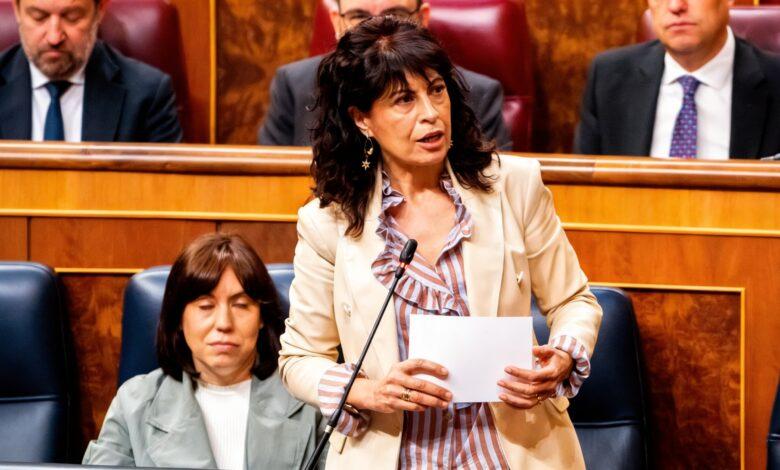
During the plenary session, all parliamentary groups will present their positions, with Minister for Equality Ana Redondo serving as the government’s main spokesperson. The discussion takes place amid sharp political confrontation, where the issue of abortion rights has become a central topic for both sides. Such heated debates have repeatedly led to blocked initiatives in the Spanish parliament—for example, lawmakers recently rejected a proposal to protect tenants, as detailed in the article on the failure to extend the rental decree.
What happens next
If the amendments by Partido Popular and Vox do not win a majority, the reform will continue along the legislative process. If ultimately approved, Spain will establish the right to abortion in the Constitution for the first time, which could change the provision of medical services for women across the country. The final vote is expected to become one of the most high-profile events of the parliamentary session.
SOURCES: RUSSPAIN, by Ricardo Rubio, 2 April 2026; RUSSPAIN, by Ricardo Rubio, + PHOTO, 30 April 2026.